

Exceed Your ESG Goals
CleanAir Engineering offers a full range of rental, for-purchase, and service solutions to meet your organization’s environmental, social, and governance goals; and with our expertise in methane measurement, we can help you attain your Net-Zero initiatives.
Reduced Climate Focus
In early November, 2021, United States President Joe Biden unveiled a new Action Plan (AP) for reducing methane emissions nationwide. Since then, a number of proposed and final rules have emerged and new funding has become available through both the Bipartisan Infrastructure Law of 2021 and the Inflation Reduction Act of 2022.
Since early 2025, the Trump administration has significantly restructured methane regulations. In March 2025, the EPA’s Waste Emissions Charge (WEC) rule was repealed via the Congressional Review Act, eliminating methane fees for oil and gas facilities. In July 2025, EPA issued an interim final rule extending OOOOb/c compliance deadlines by 18 months, followed by a November 2025 final rule. The agency has also proposed delaying GHG reporting under Subpart W until 2034, and in August 2025, proposed rescinding the 2009 Endangerment Finding that forms the legal basis for GHG regulation under the Clean Air Act.
Since 2021, changes have been made to key sections in the 40 CFR (EPA) subparts OOOO, OOOOa, and KKK as well as 49 CFR (Department of Transportation) Part 191 (regulating Gas Distribution Pipelines Safety and Methane Leak Detection Repair) and the Greenhouse Gas Reporting Program (GHGRP). New rules altogether have taken form, including OOOOb (2022) and OOOOc (2023). Research shows that a small percentage of facilities—often called “super-emitters”—account for a disproportionate share of methane emissions, frequently due to equipment malfunctions, poorly maintained infrastructure, and undetected leaks.
As part of IRA, Congress directed EPA to implement a methane emissions reduction program (section 136), which included Waste Emissions Charges. (CleanAir wrote about these changes back in October 2024.) However, in March 2025, Congress repealed the WEC implementing rule via the Congressional Review Act, and EPA removed the regulations from the CFR in May 2025. While the underlying statutory authority remains, the agency cannot reissue the rule in substantially the same form without new congressional authorization.
2025 Regulatory Developments
Anthropogenic Methane Sources
Identifying sources of methane and their causes is not simple, but it seems simple enough. However, quantifying methane mass emission rates and making sense of the interconnected systems that affect methane sources and sinks are much more difficult to assess.
We know that the global climate is a complex system; and when it comes to conversations about Greenhouse Gases like methane, we inherently find ourselves discussing socio-economic policy, meeting basic human needs, geography, and the role of government in society.
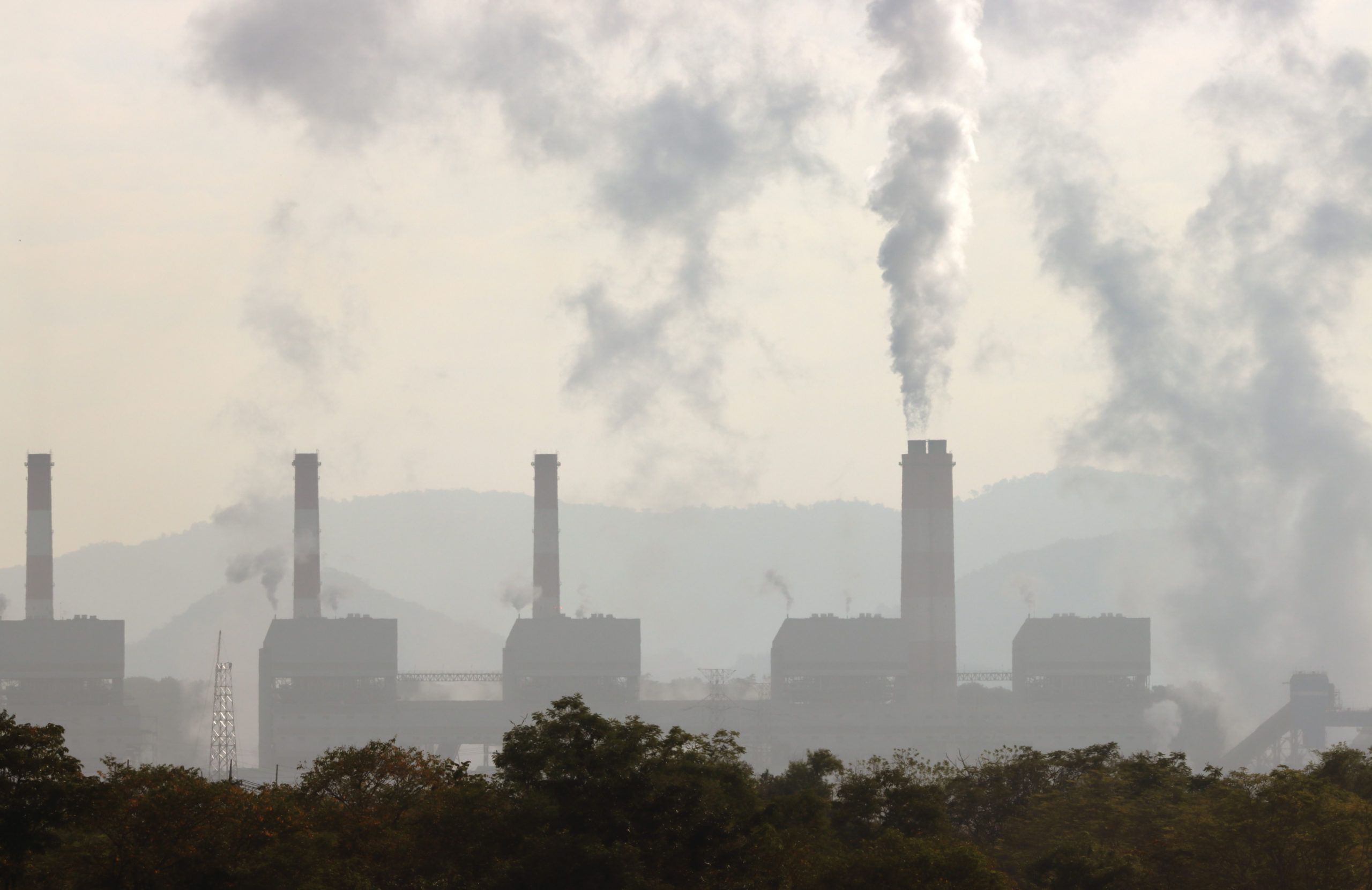
While U.S. agriculture continues to be the country’s greatest source of methane emissions, tackling fugitive emissions in the energy and transportation sectors might just be the easiest place to start when it comes to quantifying a national reduction in GHG emissions. The line of thought goes: identify and measure methane leaks, stop the leaks, and calculate your reduction in air pollution. These emission sources are easily-quantifiable.
Some of the latest research suggests that 60% of methane emissions is generated from anthropogenic, or human activity-related, sources. These activities include, namely: agriculture, energy production (gas, oil, and coal), landfills, transportation, and waste treatment.
Biogenic methane emissions sources include trees and wetlands, natural decomposition, melting, and microbial methanogenesis. Much overlap between bio/anthro causality also exists, making attribution difficult: agriculture/ecology/food chain/transportation, changes in ecology due to climate trends and anomalies, landfill off-gassing caused by food refuse, and forest fires, caused by both people and/or nature. LEARN MORE
Further Reading
- White House Briefing: 2 November 2021
- US Methane Emissions Reduction Action Plan
- EPA Proposes New Source Performance Standards Updates
- EPA Presentation: Fugitive Emissions and Directed Inspection & Maintenance
- PNAS: Ocean Methane Hydrates (Article)
- https://www.epa.gov/controlling-air-pollution-oil-and-natural-gas-operations/2025-interim-final-rule-extend-compliance
- https://www.epa.gov/inflation-reduction-act/waste-emissions-charge
- https://eelp.law.harvard.edu/tracker/epa-voc-and-methane-standards-for-oil-and-gas-facilities-2/
- https://www.epa.gov/ghgreporting
- Stanford University/Kairos Aerospace study (2022): https://news.stanford.edu/2022/03/24/methane-leaks-much-worse-estimates-fix-available/
Last update: 8 January 2026 JM